March 20, 2026
Water damage is one of the most destructive and expensive problems homeowners and businesses encounter. Even a small leak can lead to extensive structural issues, mold growth, and costly repairs if not addressed quickly. Because plumbing systems run throughout the walls, floors, and foundation of a property, a minor problem can escalate rapidly without professional attention. Many sources of water damage—such as hidden leaks, deteriorating pipes, clogged drains, or malfunctioning fixtures—are difficult for property owners to identify on their own. This is why working with a qualified plumber is essential for preventing long-term damage and maintaining a safe, efficient plumbing system. From detailed inspections to emergency repairs, professional plumbing services play a vital role in protecting both residential and commercial properties from the financial and structural impact of water-related issues. Understanding how a plumber identifies risks, implements preventative solutions, and ensures system reliability allows homeowners and businesses to stay ahead of potential disasters.
Detecting Hidden Leaks and Early Warning Signs of Water Damage
One of the most important ways a plumber prevents water damage is through early detection. Hidden leaks are common in older homes, properties with aging infrastructure, or buildings exposed to seasonal temperature changes. These leaks often occur behind walls, beneath floors, or within basements, where they remain unseen until significant damage emerges. Moisture from a slow leak may weaken structural beams, encourage mold growth, or cause drywall deterioration long before visible symptoms appear.
Homeowners may not realize they leak until they notice damp spots, peeling paint, or unexplained odors. However, a plumber utilizes specialized tools such as moisture meters, thermal imaging devices, and pressure-testing equipment to identify leaks accurately. This allows them to detect problems long before they become visible or cause major damage. According to the U.S. Environmental Protection Agency, the average family can lose approximately 180 gallons of water each week, totaling around 9,400 gallons per year, due to household leaks. This staggering amount highlights how many leaks go unnoticed until professional inspection becomes necessary.
Beyond identifying active leaks, a plumber also evaluates common weak points in the plumbing system. These include deteriorating pipe joints, corroded fittings, worn-out seals, and aging supply lines. In many homes, leaks develop slowly due to pipe fatigue or mineral buildup. In commercial properties, high water usage creates more opportunities for pressure fluctuations and pipe stress. Regular inspections help catch early-stage issues, enabling timely repairs that prevent more severe damage.
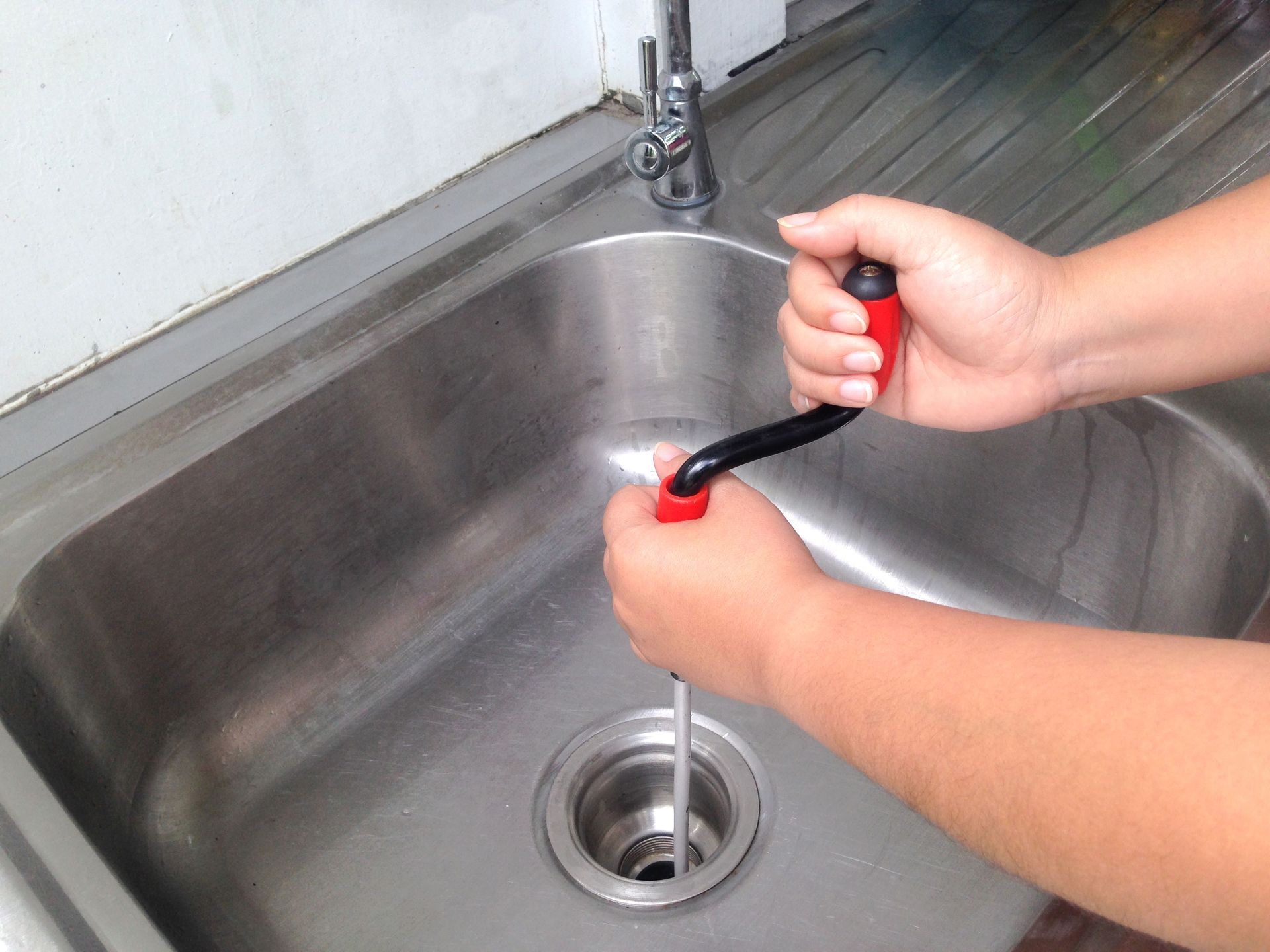
Drainage problems also contribute to water damage, as clogged drains can cause backflow or overflow issues. A plumber inspects drain lines to ensure efficient water flow, cleaning out debris or buildup that may lead to backups. By identifying both visible and hidden risk factors, professionals help property owners remain proactive and prevent costly structural problems.
Repairing High-Risk Plumbing Components to Protect Structural Integrity
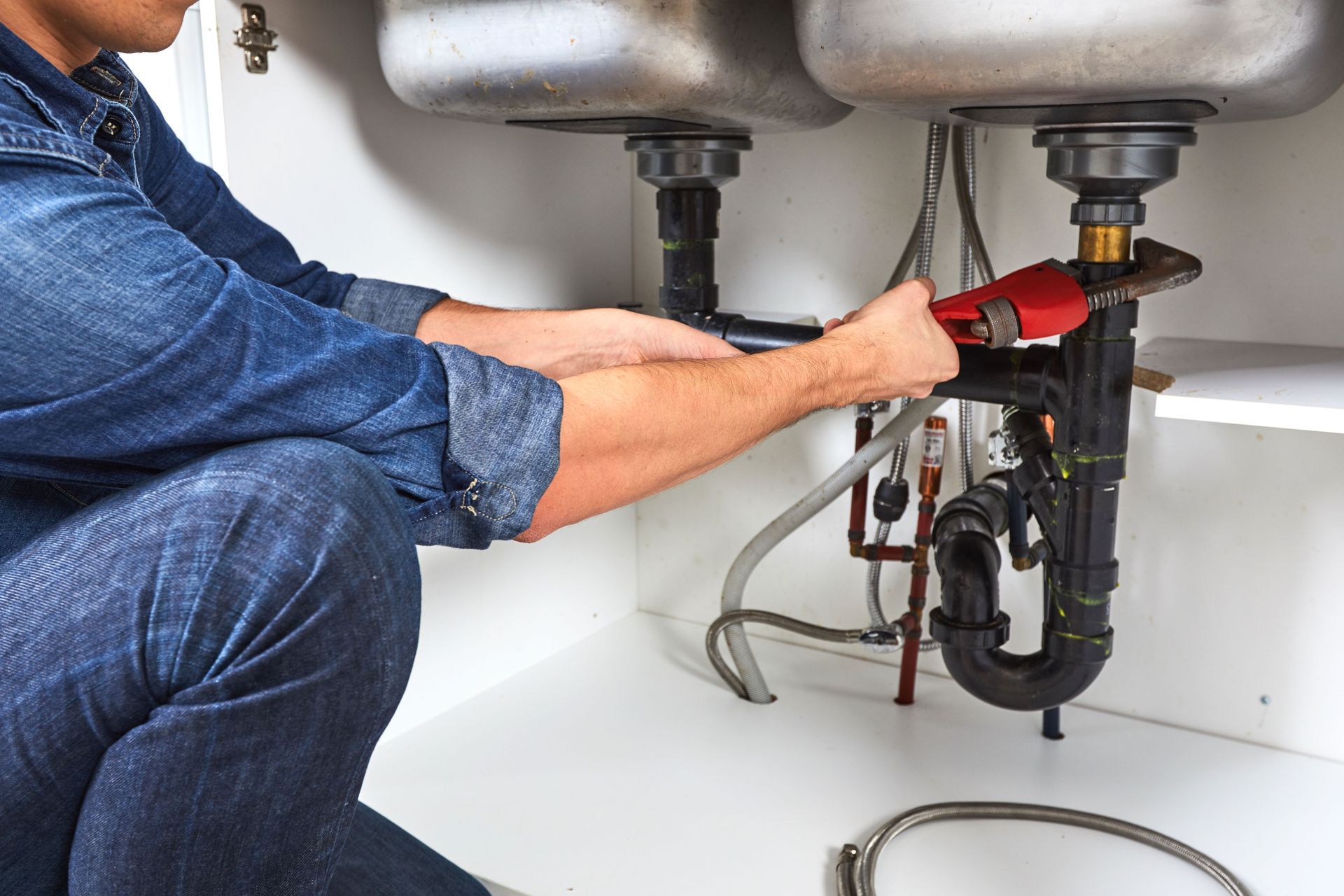
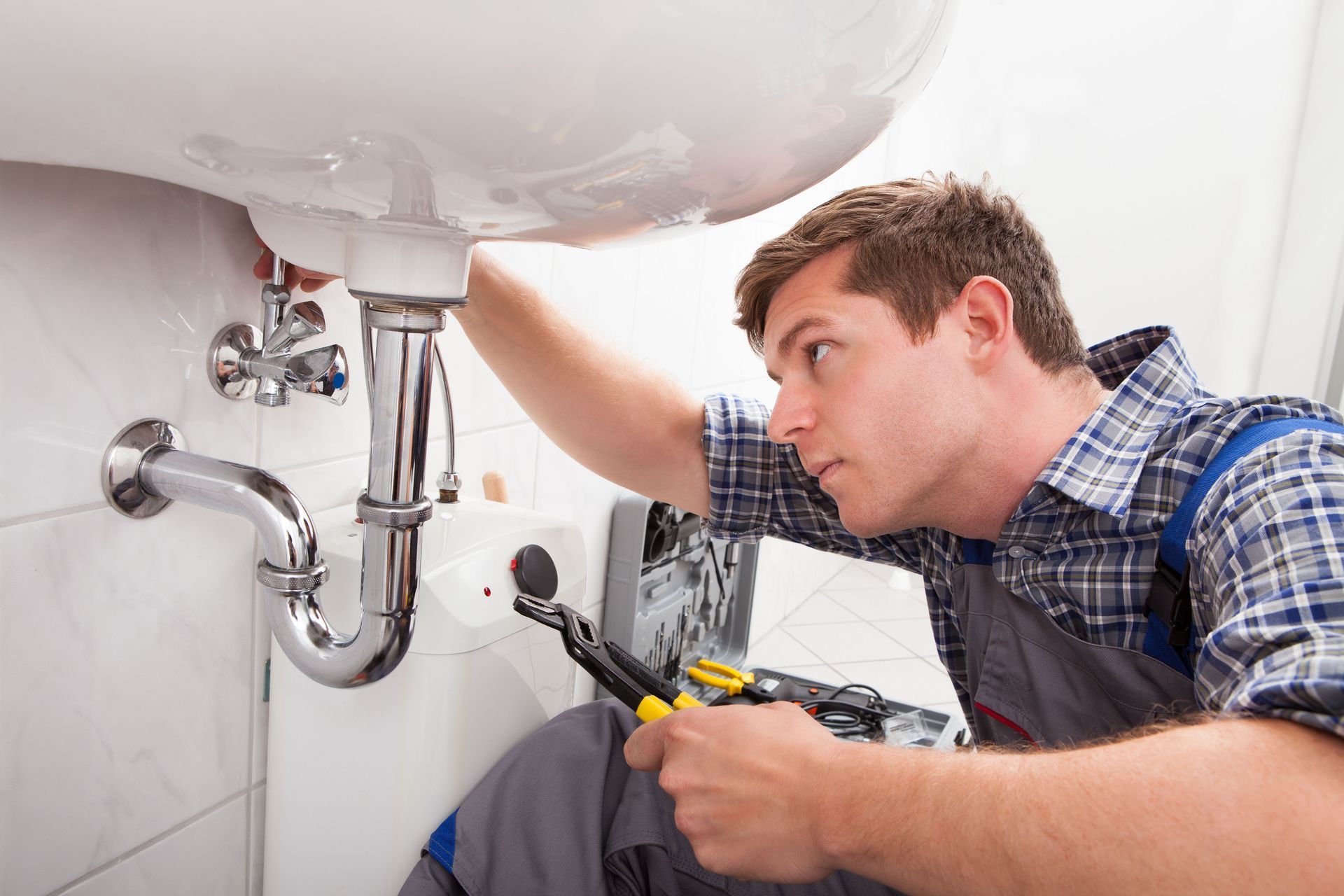
Plumbing systems contain several components that require ongoing maintenance to ensure they function correctly. Fixtures such as water heaters, faucets, toilets, and shutoff valves can malfunction or deteriorate over time. When these components fail, leaks may develop suddenly and cause significant interior damage. A plumber evaluates each part of the system to ensure proper operation and to replace worn components before they cause issues.
Water heaters, in particular, pose a high risk because they hold large volumes of water under pressure. Tank corrosion, sediment buildup, or faulty pressure-relief valves can cause dramatic failures that flood surrounding spaces. A plumber performs routine maintenance—such as flushing the tank or inspecting for corrosion—to keep water heaters running safely and efficiently. Additionally, they ensure connections and fittings are secure, preventing leaks that might emerge around the tank.
Pipe replacement is another critical repair area. Pipes made from older materials such as galvanized steel or polybutylene often deteriorate with age, leading to leaks, bursts, or pressure problems. A plumber identifies outdated materials and recommends modern replacements, such as copper or PEX piping, which resist corrosion and temperature fluctuations. These upgrades significantly reduce the likelihood of sudden pipe failures.
Commercial properties rely heavily on sewer line services, as blockages or pipe collapses can result in sewage backups that cause extensive contamination and structural harm. A plumber uses diagnostic tools, such as sewer cameras, to assess internal pipe conditions and to identify cracks, clogs, or tree root intrusion. Prompt repair or replacement of damaged sewer lines prevents wastewater from backing up into the building, preserving sanitary conditions and structural safety.
Gas and water utility services also fall within the responsibilities of many professional plumbers. Properly functioning gas lines are essential for safety, and even small leaks can create dangerous conditions. Through professional inspections and repairs, a plumber ensures all utility lines remain secure and up to code, preventing hazardous leaks that could compromise the property.
Improving System Efficiency to Minimize Water Waste and Reduce Costs
In addition to preventing structural damage, a plumber helps reduce water waste and improve efficiency across the plumbing system. Excessive water waste contributes to higher utility bills and increases the strain on water heaters, pumps, and pipes. When leaks or inefficient fixtures go unresolved, the long-term financial cost can be substantial.
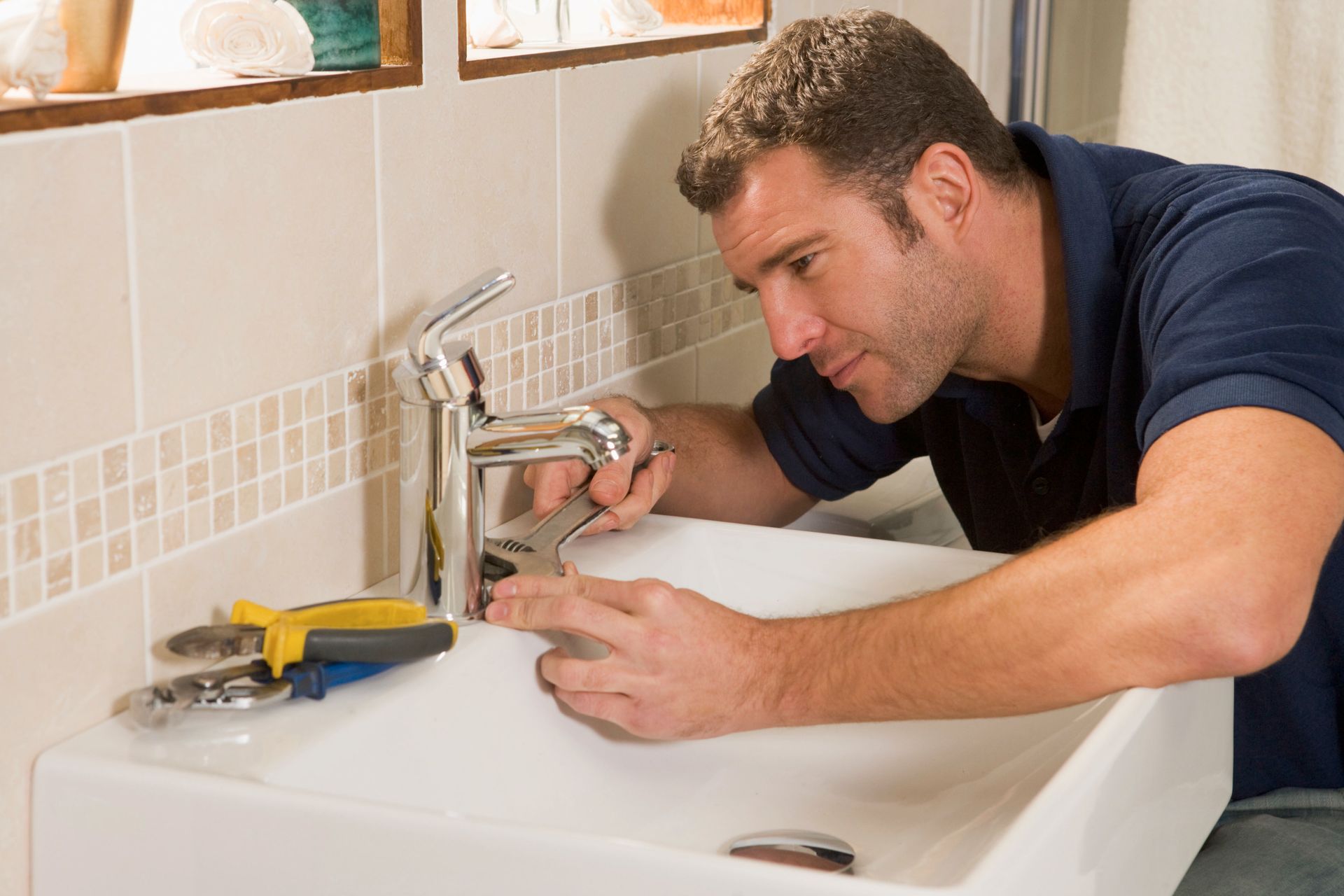
A plumber evaluates fixtures such as faucets, toilets, and showerheads to ensure they operate efficiently. Even small drips can indicate valve wear, seal deterioration, or pressure problems. By repairing or replacing inefficient fixtures, property owners benefit from lower utility costs and improved system performance. In commercial settings, where water usage is significantly higher, these improvements can lead to substantial savings.
Water pressure regulation is another key area of efficiency. Excessive pressure puts stress on pipes, causing them to wear out faster and increasing the likelihood of leaks or bursts. A plumber checks pressure levels and installs pressure-reducing valves when necessary to protect the system. Proper pressure management extends the lifespan of pipes and fixtures, ensuring smoother operation across the building.
Strengthening Long-Term Protection Through Preventive Maintenance
Preventive maintenance is one of the most effective strategies for avoiding costly water damage. Rather than waiting for leaks or pipe failures to occur, property owners benefit from scheduled inspections and routine upkeep performed by a plumber. Maintenance appointments allow professionals to monitor the health of the system, identify new risks, and track developing issues before they escalate.
This preventative approach is especially important for older homes and commercial buildings, where plumbing lines may have exceeded their expected lifespan. Over time, components weaken due to corrosion, mineral buildup, or recurring pressure changes. Regular maintenance ensures these vulnerabilities are addressed promptly and that the system remains reliable.
Relying on Professional Expertise to Ensure Safety and System Reliability
While DIY repairs may seem appealing, plumbing systems are complex and can quickly become hazardous without proper training. Working with water lines, sewer pipes, and gas utilities requires specialized skills, professional tools, and adherence to strict safety regulations. A plumber brings technical expertise and experience to every job, ensuring that repairs are completed correctly and safely.
Professional plumbers remain up to date on building codes, utility regulations, and industry standards. This ensures that all repairs and installations meet legal requirements and operate safely. Their familiarity with both residential and commercial plumbing services allows them to address a wide range of issues and tailor solutions to the specific needs of each property.
Beyond repairs, a plumber provides valuable guidance on system upgrades, water-saving solutions, and long-term maintenance strategies. Their recommendations help property owners make informed decisions about protecting their homes, reducing water waste, and extending the life of their plumbing systems. Call Hendrickson & Son's Plumbing LLC today to schedule your plumbing repair